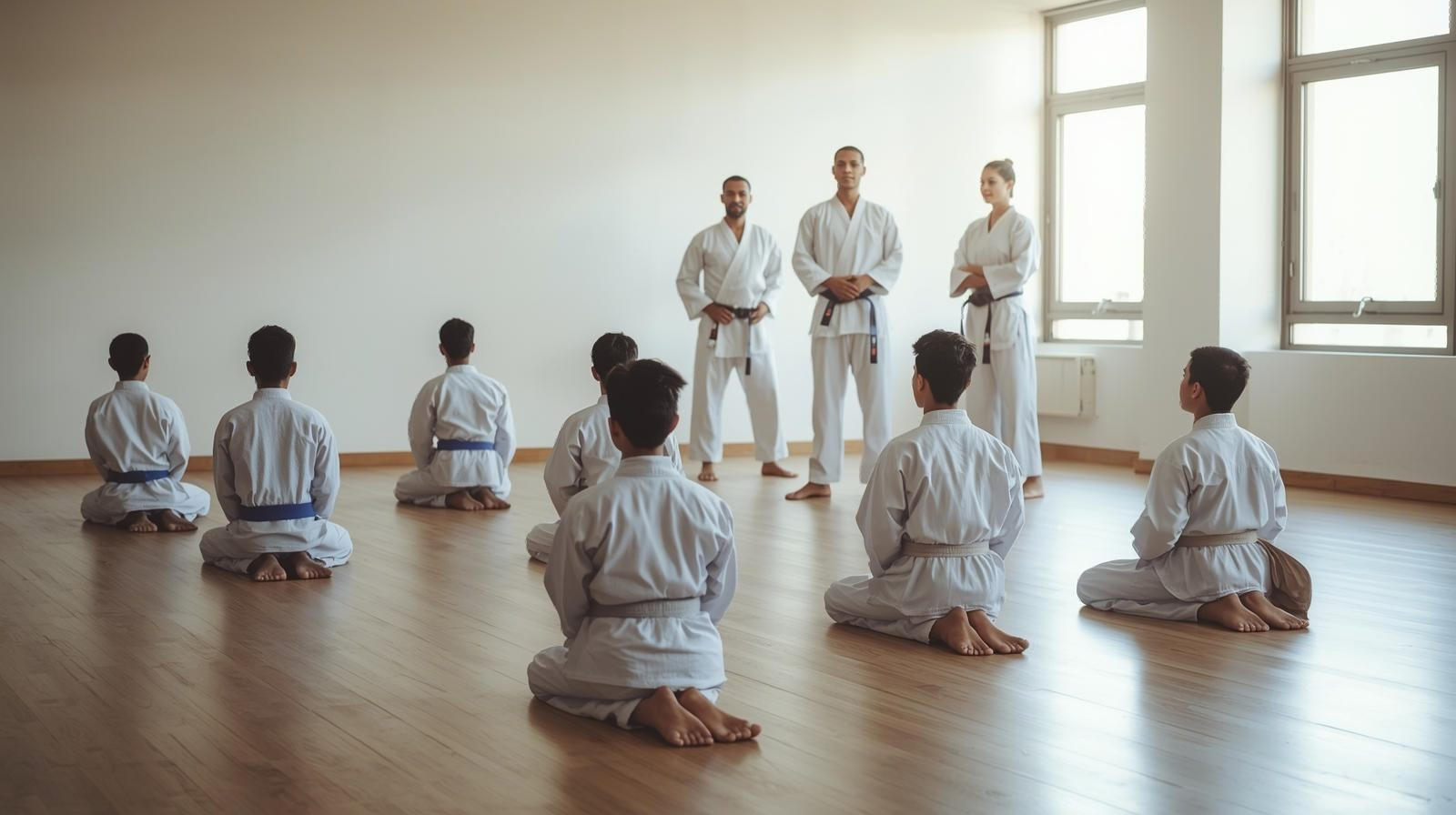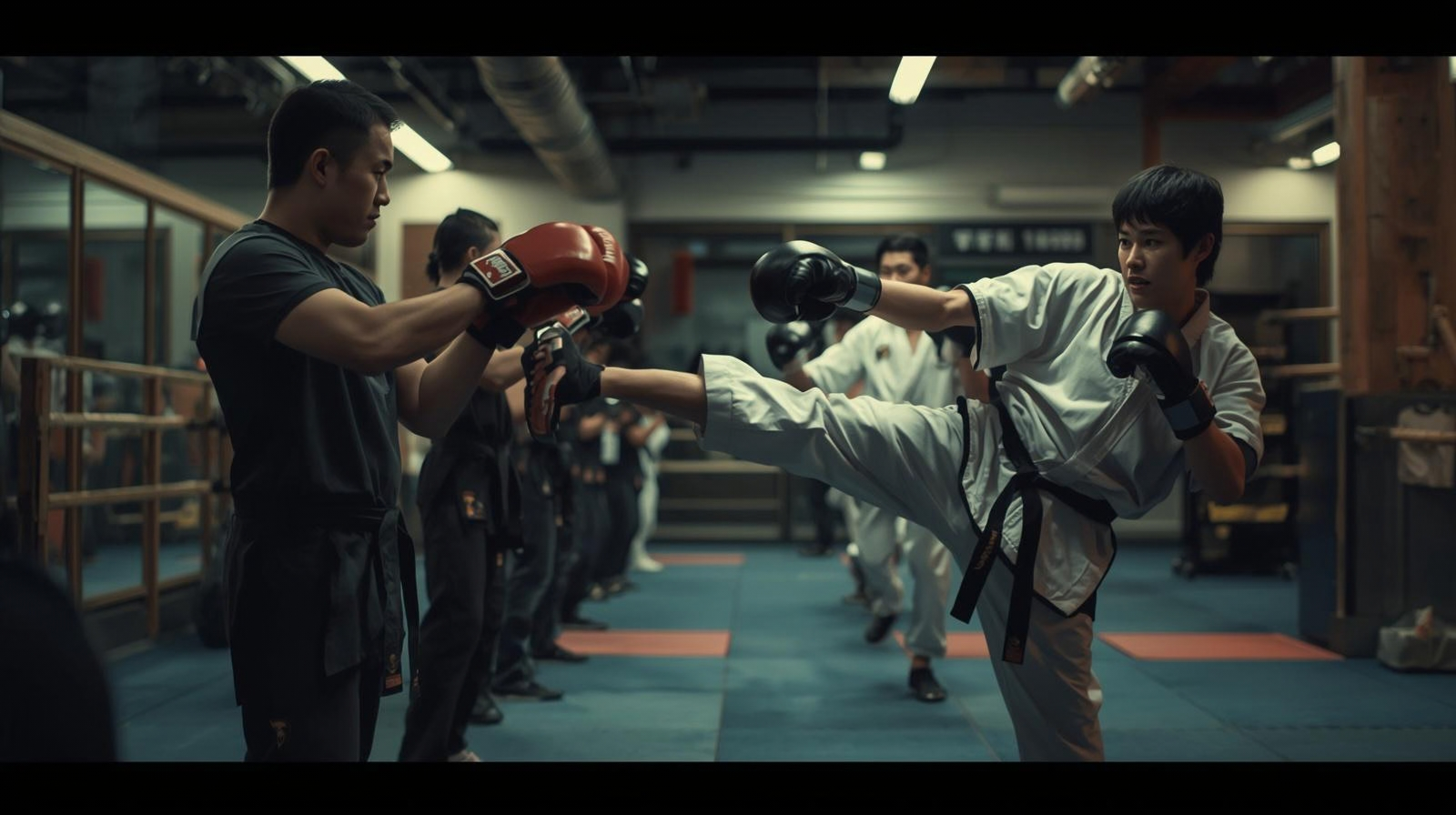
Are adult students walking past your school and heading straight to a boxing gym or a Brazilian jiu-jitsu academy down the street? If so you are not alone. Most traditional martial arts schools were built around youth programs and that focus has quietly pushed adults out the door.
This article is for school owners who want to build serious martial arts adult programs without walking away from the traditional art that defines their school. You will learn how to structure a complete adult division, what adults actually want from a training program, how to hire the right coaches, and how to protect your school legally and financially as you grow.
The opportunity is real. The systems to capture it are right here.
Walk into most traditional schools and you will see a wall of kids tournament photos. The website leads with birthday parties and after-school programs. The instructor talks about discipline and respect.
All of that is valuable. However it sends a clear signal to adults. This place is built for kids.
Brand perception shapes enrollment. Because of this adults who want serious training often skip traditional schools entirely. They head straight to a Brazilian jiu-jitsu academy or a boxing gym down the road. That is not because your art is inferior. It is because your marketing is telling the wrong story.
Traditional curricula often rely on belt rank systems that feel slow and rigid to adult newcomers. A 35-year-old professional does not want to stand in a row next to a seven-year-old. Beyond that many traditional schools schedule adult classes during times that do not work for people with full-time jobs.
The result is low adult enrollment. That means less revenue, smaller classes, and a school that feels like it exists only for families with young children. This is not a curriculum problem. It is a structure and positioning problem.
Brazilian jiu-jitsu academies have figured this out. Many BJJ schools run 70 to 80 percent adult enrollment. Their retention numbers stay strong because adults feel ownership over their progress.
They train hard. They compete. They bring their friends. Traditional schools can reach those same numbers. However the approach requires intention. You cannot bolt an adult program onto a kids school and expect results.
Adults do not sign up for martial arts adult programs because they want a hobby. They sign up because they want results they can see and feel. That means fat loss, improved endurance, and better movement quality.
So your program needs to deliver those outcomes. That means structured conditioning blocks built into every class and a progress tracking system that adults can see for themselves. Without visible progress adults lose the motivation to keep showing up.
Adults want to know that what they are learning works. They are not interested in forms that have no connection to real self-defense. Therefore your curriculum must include practical applications at every level.
Show them how the technique works in a real scenario. Spar. Roll. Drill with resistance. In addition give them the context behind every technique. That connection between training and reality keeps adults engaged for years.
Adults crave belonging. Many of them train at corporate gyms where nobody talks to each other. Your school can offer something completely different.
A team culture, a shared mission, and friendships built through hard training keep adults enrolled far longer than technique alone. Therefore invest in your culture as much as your curriculum. Host team events. Celebrate milestones. Build rituals around training. Because of this the school becomes more than a gym. It becomes a community that adults do not want to leave.
Adults have jobs, families, and real responsibilities. That means you need early morning classes, evening classes, and weekend options. A single adult class at 7pm on Tuesday nights is not a program. It is a placeholder.
Build a schedule that serves the adult life. In contrast to youth programs where parents control the schedule, adults vote with their attendance. So give them enough class options to stay consistent through the week.
One of the top reasons adults train is stress relief. The physical demand of martial arts forces the brain to shut off everything else. For that reason the training session becomes the best part of the day for many adult students.
However that release requires intensity. A class with no structure and no energy does not deliver it. Build your adult sessions around purposeful effort. Warm up with intent. Drill with focus. Spar or roll with clear safety standards at every session.
Karate works. However adults who have never trained often see karate as a ceremonial art rather than a functional fighting system. Your job is to reframe that perception.
Show adults how karate kata connects to real striking mechanics. Demonstrate the power behind a reverse punch or a front kick when applied with proper weight transfer. Because of this the traditional art gains new relevance in the eyes of an adult skeptic. You do not have to abandon your roots. You just need to teach with real application in mind.
Boxing and kickboxing add immediate credibility with adults. So consider building six to eight week module blocks into your adult curriculum. These blocks focus on head movement, combination punching, and footwork.
This does not replace your traditional curriculum. Instead it adds a layer that resonates with adults who follow combat sports. In addition it gives you a marketing angle that reaches well beyond your current audience.
Ground fighting is a gap in most traditional programs. Adults know this. They ask about it. Therefore adding a dedicated grappling component to your adult division closes that gap directly.
Judo brings powerful takedown and throwing mechanics. Brazilian jiu-jitsu adds positional control and submission work. You do not need to be a black belt in both arts. You need a qualified instructor and a structured curriculum that gets results.
Every adult class should end with a conditioning block. That means timed rounds, partner drills, and functional movement patterns. So design these blocks to complement the technical content of the class rather than treat conditioning as a separate workout.
For example if the class focused on clinch work then the conditioning block can include grip strength work and collar tie drilling. This keeps conditioning connected to the art. Beyond that it reinforces technical skills in a fatiguing context which is where real development happens.
Give your adult program a name. Call it your Adult Combat Performance Track or your Elite Adult Program. The name signals seriousness. It tells adults that this was built for them.
In addition create a visible track with clear milestones. Adults need to see a path forward. Without progression markers they feel like they are just showing up to class with no direction. So build a system that shows them exactly where they are and where they are going.
Your youth division is its own business. It has its own schedule, its own marketing, its own curriculum, and its own retention system. Think of it as a separate product line that shares a physical space with the adult program.
The youth division serves families. Therefore the messaging focuses on character development, discipline, and academic performance. The pricing reflects family enrollment and structured annual agreements that keep families committed long term.
Your adult division serves a completely different customer. This customer is performance-driven, schedule-conscious, and results-oriented. Because of this the messaging, pricing, and programming must reflect those priorities clearly and consistently.
Charge appropriately for your adult division. Adult programs priced too low signal low value. A serious adult program commands serious pricing. So do not undercut yourself out of habit or out of fear that adults will not pay a fair rate.
Many school owners mix adults and kids into the same class. However this approach limits both groups. Adults feel out of place. Kids lose the age-appropriate structure they need to develop.
As a result both groups underperform and neither stays enrolled long. Separate the divisions on your schedule. Make it clear that adult classes are for adults only. That one boundary alone will increase adult enrollment because it signals that you are serious about serving them.
Take an honest look at your current instructor team. Can they teach boxing fundamentals with confidence? Do they have grappling credentials that adult students will respect? If not then you have a skill gap that will limit your adult division before it even starts.
Skill gaps are not a failure. They are an opportunity. So identify what is missing and build a plan to fill it. That starts with honest self-assessment and a clear picture of what your adult program needs to deliver on day one.
The coaching market is stronger than most school owners think. Retired fighters, competition coaches, and credentialed instructors are often looking for a professional home with a stable student base. Therefore a structured offer can attract serious talent quickly.
Lead with the opportunity. Show them your facility, your student base, and your adult division vision. In addition be specific about the role, the class schedule, and the compensation structure before the first conversation ends.
Pay your specialized coaches in a way that connects their income to the growth of the program. A flat hourly rate creates no incentive to build retention. However a base rate plus a per-student bonus ties their effort directly to measurable outcomes.
Some school owners use a revenue split model for specialty programs. That means the coach earns a percentage of the tuition revenue generated by their classes. So the coach who grows the program earns more as it grows. That alignment keeps great coaches motivated and invested.
A skilled coach who does not align with your school values is a liability. Therefore set clear expectations before you hire. That includes class structure standards, language expectations, student safety protocols, and professional conduct requirements.
Put it in writing. Review it regularly. In addition build a 90 day onboarding plan that integrates new coaches into your culture before giving them full class autonomy. The culture you protect now is the culture that keeps adult students coming back year after year.
When you hire specialized coaches you are investing in their development inside your school. That investment creates real risk if the coach leaves and opens a competing program nearby. Therefore a noncompete clause is a reasonable and standard protection.
Keep it reasonable. A clause that restricts a coach from working anywhere in the state for five years will not hold up in court. Instead focus on a specific geographic radius for a defined time period. Work with a local employment attorney to determine what is enforceable in your specific state or province. What holds up in Texas may not hold up in California. So get local legal counsel before you finalize any restriction language.
A nonsolicitation clause protects your student database. If a coach leaves your school you do not want them contacting your students directly to pull them toward a new location. So include clear language that prohibits this kind of outreach.
This clause should cover students, parents, and prospective leads. In addition it should address social media contact and online outreach. Because of this your student relationships stay protected even after the coach is gone.
Any curriculum your team develops inside your school belongs to your school. That includes training progressions, class formats, adult program structures, and marketing materials. Therefore your employment and contractor agreements must state this clearly and without ambiguity.
Confidentiality also covers your pricing, your student data, and your business systems. Because of this a breach of confidentiality clause with defined consequences is a standard part of any professional coaching agreement worth signing.
There is a balance here. An agreement that is too aggressive will push away good coaches before they ever start. So write your agreements to protect the real risks without trying to control everything a person does with their career.
Courts look at reasonableness. If your agreement feels punitive it will create serious problems when it matters most. Therefore work with a local employment attorney to draft language that is enforceable and fair in your specific region.
Every financial figure in this section is a framework. It is not a promise and it is not a prediction. Before you build your adult division financial model you must do real market research in your specific city and region.
Tuition rates in Miami are not the same as tuition rates in Boise. What adults pay in Toronto is different from what adults pay in San Juan. Local competition, household income levels, the cost of living in your area, and your current school reputation all affect what you can charge and how fast you can grow.
So treat every number here as a starting point for your own research. Survey your current adult students. Visit competitor schools in your area. Talk to school owners in comparable markets. Your numbers will fluctuate based on your market and that is expected. The formula is what matters. The exact figures must come from your own ground-level research.
Before you launch your adult division you need to know your numbers. Start with your fixed costs. That means instructor compensation for adult classes, any equipment you add to the floor, and a portion of your overhead allocated to adult programming.
Then calculate your break even point. If your adult classes cost 2000 dollars per month to run then you need enough adult tuition revenue to cover that number before you see profit. The number of students required to break even will depend entirely on your local tuition rate. A school in a high income area may break even at 12 students. A school in a more price-sensitive market may need 20 or more.
So do not guess. Run the actual numbers for your school and your market before you commit to a launch date.
Tuition rates for adult martial arts programs vary significantly across the United States, Canada, and Puerto Rico. Based on real school data and industry reporting, monthly adult tuition typically falls somewhere in a wide range depending on location and program type.
Urban markets in high cost of living cities tend to support higher monthly rates for adult combat programs. Suburban and rural markets often see lower rates with higher sensitivity to price changes. Specialty programs that include multiple disciplines such as striking and grappling together can command a premium over single discipline programs.
The key point is that your rate must reflect your market. Pricing too low devalues your program. Pricing too high without the credentials and facility to back it up will stall enrollment before it starts. Because of this your pricing decision must follow your market research. Not the other way around.
Think about your adult division in three enrollment stages. The first stage is your launch period. That is the first 60 to 90 days where you are filling the program with early members through referrals, promotions, and outreach.
The second stage is your growth period. That is roughly months three through nine where word of mouth starts to compound and your consistent class schedule builds trust with new leads. In this stage your enrollment should climb steadily if your retention systems are working.
The third stage is your maturity period. That is when the program reaches a stable size and your revenue becomes predictable. The size of that stable roster and the revenue it generates will be specific to your market. However the pattern of those three stages is consistent across schools at every level.
Plan for each stage separately. Build marketing goals for the launch stage. Build retention goals for the growth stage. Build referral systems for the maturity stage. That is how a school turns a new adult division into a long term income source.
The average adult student in a serious martial arts adult program stays enrolled for two to four years when retention systems are in place. That range will also vary based on your program quality, your culture, and your market. However the core principle holds everywhere. Keeping a student enrolled is far more valuable than acquiring a new one.
Because of this retention is your most important financial tool. A student who stays for years is worth many times the cost it took to acquire them in the first place. So build your retention systems before you launch the program. Do not wait until students start quitting to address the problem.
The retention activities that make the most difference are consistent communication, visible progress tracking, instructor accountability, and a culture where adults feel known by name. None of those things require extra budget. They require intention.
One financial metric that school owners rarely track is revenue per square foot. Your adult combat division should generate meaningful revenue from the floor space it uses. If you are running low-enrollment adult classes on your full mat then your space is not working for you.
So track how much revenue your adult classes generate per hour of mat time used. Compare that to your youth program. Compare it to your open mat sessions. This gives you a clear picture of where your floor space is earning and where it is not. Because of this you can make smarter scheduling decisions and eliminate underperforming time slots before they drain your overhead.
Here is the part most school owners miss. When you build a strong adult division you create a pipeline that feeds directly back into your youth program. An adult student who loves your school will enroll their child. A child who grows up in your school will eventually move into the adult program as they age into adulthood.
Therefore the two divisions feed each other. The adult division expands your current income. The youth division builds your long term legacy. Together they create a school that can run for decades and serve multiple generations of the same family. That is what a real martial arts business looks like.
Island Dragon Martial Arts had operated as a traditional karate school for 22 years. The owner, Master Carlos Rivera, ran a strong youth program with 140 active students. However adult enrollment had stayed flat at 18 students for three consecutive years. Revenue had plateaued and the school was not growing.
In 2022 Master Rivera restructured his adult program into a dedicated Adult Combat Performance Track. He hired a certified boxing coach and a BJJ purple belt instructor. He separated adult classes from youth classes entirely and built a new schedule with 6am, noon, and 7pm time slots.
He repriced the adult program based on a local competitive analysis and current market research for the San Juan area. That process revealed that the local adult fitness market could support a significantly higher rate than the school had been charging. He also built a 12 month adult curriculum with clearly marked progression milestones and a separate testing track from the youth belt system.
Within six months adult enrollment grew from 18 to 47 students. Annual adult tuition revenue increased by more than 300 percent over the prior year. Beyond that five adult students enrolled their children in the youth program within the first quarter. Two adult students referred colleagues from work and brought in four additional enrollments.
Master Rivera reported that the clearest change was perception. When adults saw a program built specifically for them they stopped treating the school like an option for kids. They started treating it as their gym.
Frontier Combat Arts had been a traditional taekwondo school for 14 years. The owner, Master Jenna Park, had a solid youth base of 95 students but fewer than 10 active adult members. She felt that adding grappling would betray the traditional identity of her school.
After working with a martial arts business advisor she tested a 90 day pilot program. She framed the adult combat division as a complement to her traditional curriculum rather than a replacement. She hired a judo black belt coach for two evenings per week and added a kickboxing conditioning class on Saturday mornings.
She created a separate enrollment packet for adults with its own pricing based on a full competitive audit of Calgary-area martial arts pricing. Her market research revealed that adults in her district were already paying premium rates at specialty gyms. Because of this she priced the program accordingly and built a six week promotional trial to fill the initial classes.
Within 90 days she had 23 adult students enrolled in the new division. By month six enrollment had grown to 38 adults. That growth generated a meaningful increase in monthly revenue that more than covered the cost of the two new coaching hires.
Master Park reported that her traditional classes had not lost a single student as a result of the expansion. In fact seven youth students whose parents enrolled in the adult program improved their own attendance. The family now had multiple reasons to come to the school each week.
The adult market is not out of reach for traditional schools. It is simply underserved by most of them. Because of this the opportunity is real for school owners who are willing to build a proper structure and commit to it.
You do not need to abandon what makes your school great. You need to package it differently for a different audience. Adults want results. They want community. They want a program that fits their life and respects their time.
So start with your schedule. Add classes for adults only. Then build your curriculum around what adults actually want to learn and experience. In addition bring in the right coaching talent to deliver it with credibility and consistency.
Finally protect your business with proper agreements. Do your market research before you set a single price or project a single enrollment number. Build retention systems from day one. A strong adult combat division does not compete with your traditional art. It builds on it. And when it is done right it becomes the most profitable part of your school.
If you are ready to build your adult division then you need more than a plan. You need systems. That means tracking enrollment, managing billing, following up with leads, and measuring retention across both your youth and adult divisions.
Doing all of that by hand costs time you do not have. That is where martial arts management software earns its place. A proper system tracks your numbers, automates billing, and flags students who are at risk of leaving before they walk out the door.
If tracking these numbers by hand is costing you time then martial arts software like Black Belt Membership Software can do that work for you. Visit blackbeltcrm.com to see how it works. Schedule a demo today with Rocky Catala and find out what the right system can do for your school.

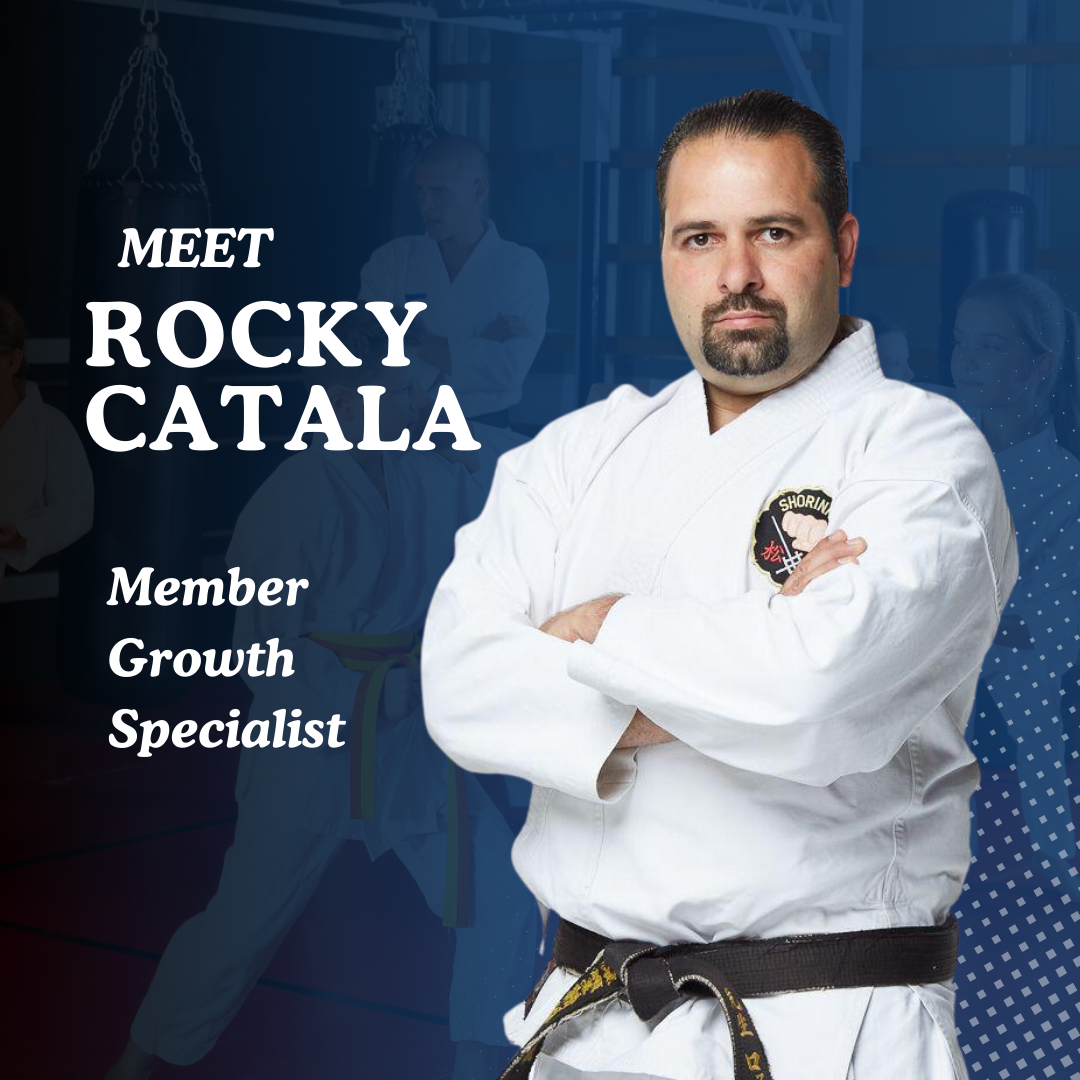
See how Black Belt Membership can assists you. To manager your growing martial arts business.